How Potency Testing Works-and Why Understanding THC, CBD, and Other Cannabinoids Matters
If you’re operating in Oklahoma’s cannabis market, understanding cannabis potency testing is essential for compliance, product quality, and long-term success. Whether you’re a grower, processor, or manufacturer, accurate cannabis testing in Oklahoma plays a critical role in ensuring your products meet OMMA requirements and consumer expectations.
Potency-often defined by THC percentage, CBD levels, and full cannabinoid profiles-is one of the most important data points in cannabis lab testing. But how are these numbers determined, and how should Oklahoma operators interpret them? Let’s break it down.
What Is Potency Testing in Cannabis?
Cannabis potency testing measures the concentration of cannabinoids within a product. This includes THC, CBD, and minor cannabinoids like CBG, CBN, and CBC.
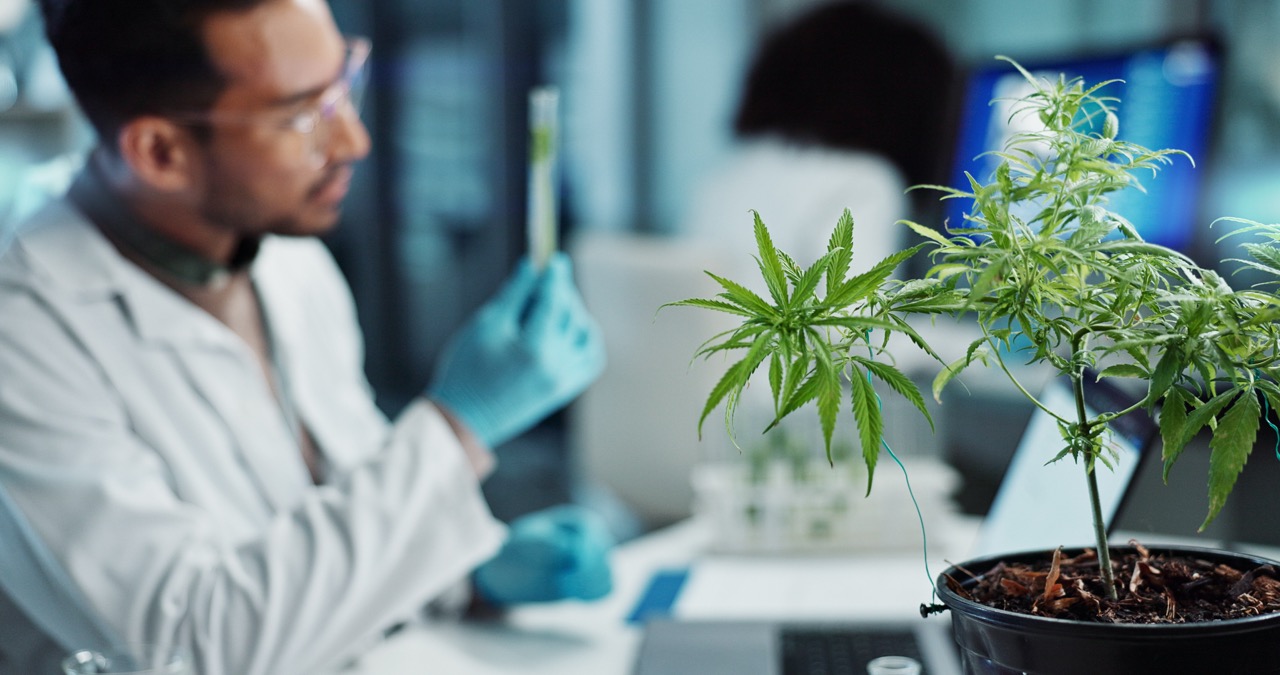
At Greenleaf Labs, a trusted Oklahoma cannabis testing lab, potency testing is conducted using High-Performance Liquid Chromatography (HPLC). This advanced analytical method allows us to accurately measure cannabinoids without altering their structure. For Oklahoma cannabis businesses, this level of precision is critical for both compliance and product consistency.
Understanding THC in Cannabis Testing
THC (tetrahydrocannabinol) is the primary psychoactive compound in cannabis and a key factor in product labeling and market value.
Most Oklahoma cannabis lab reports include:
• Delta-9 THC (active form)
• THCA (precursor form)
When cannabis is heated, THCA converts to THC. This is why results are often reported as Total THC. Understanding this distinction is essential for accurate labeling and compliance with OMMA regulations.
CBD and Minor Cannabinoids: Why They Matter
CBD (cannabidiol) is non-intoxicating and widely recognized for its role in balanced formulations.
In addition, minor cannabinoids such as:
• CBG (cannabigerol)
• CBN (cannabinol)
• CBC (cannabichromene)
are becoming increasingly important in product differentiation within the Oklahoma cannabis market. These compounds contribute to the overall cannabinoid profile and may influence product performance and consumer experience.
Why Accurate Cannabis Testing in Oklahoma Matters
Not all cannabis lab results are equal. Accurate potency testing depends on:
• Proper sample preparation
• Calibrated instrumentation
• Validated laboratory methods
• Strong quality control systems
For Oklahoma growers and processors, working with a compliant and reliable cannabis testing lab ensures defensible results that meet OMMA standards.
Inaccurate data can lead to:
• Failed compliance testing
• Product recalls
• Financial loss
• Damaged brand reputation
Common Misconceptions About THC and Potency
A common misconception in the cannabis industry is that higher THC automatically means better quality.
In reality, potency is just one component. Terpenes, minor cannabinoids, and formulation all contribute to the final product.
Additionally, slight variation between cannabis testing labs can occur-but should remain minimal when proper methods are used.
How Oklahoma Cannabis Operators Can Use Potency Data
Understanding your cannabis test results allows you to:
• Optimize cultivation techniques
• Improve batch consistency
• Strengthen product labeling accuracy
• Build trust with dispensaries and consumers
Potency testing is not just about meeting Oklahoma cannabis regulations-it’s about gaining valuable insight into your product.
Cannabis Testing, Compliance, and Quality in Oklahoma
As Oklahoma’s cannabis industry continues to evolve, the importance of accurate, transparent lab testing will only grow. At Greenleaf Labs, we are committed to providing reliable cannabis testing services in Oklahoma, helping growers and processors navigate compliance while improving product quality. Because when it comes to cannabis-what’s inside the product matters just as much as what’s on the label.