By Roulette Massey, Laboratory Director, Greenleaf Labs
When people think about cannabis testing, they usually focus on potency numbers, terpene profiles, or pass/fail results.
But one of the most important parts of laboratory compliance actually begins before the sample is ever tested.
It’s called chain of custody — and it plays a major role in protecting operators, laboratories, and the integrity of the entire cannabis supply chain.
As Laboratory Director at Greenleaf Labs, I’ve seen firsthand how misunderstandings surrounding chain of custody can create compliance issues, confusion during audits, and unnecessary risk for operators.
The reality is simple: if a sample cannot be properly tracked, documented, and verified from collection to reporting, the reliability of the testing itself can come into question.
Here’s what cannabis operators should know about chain of custody and why it matters.
What Is Chain of Custody?
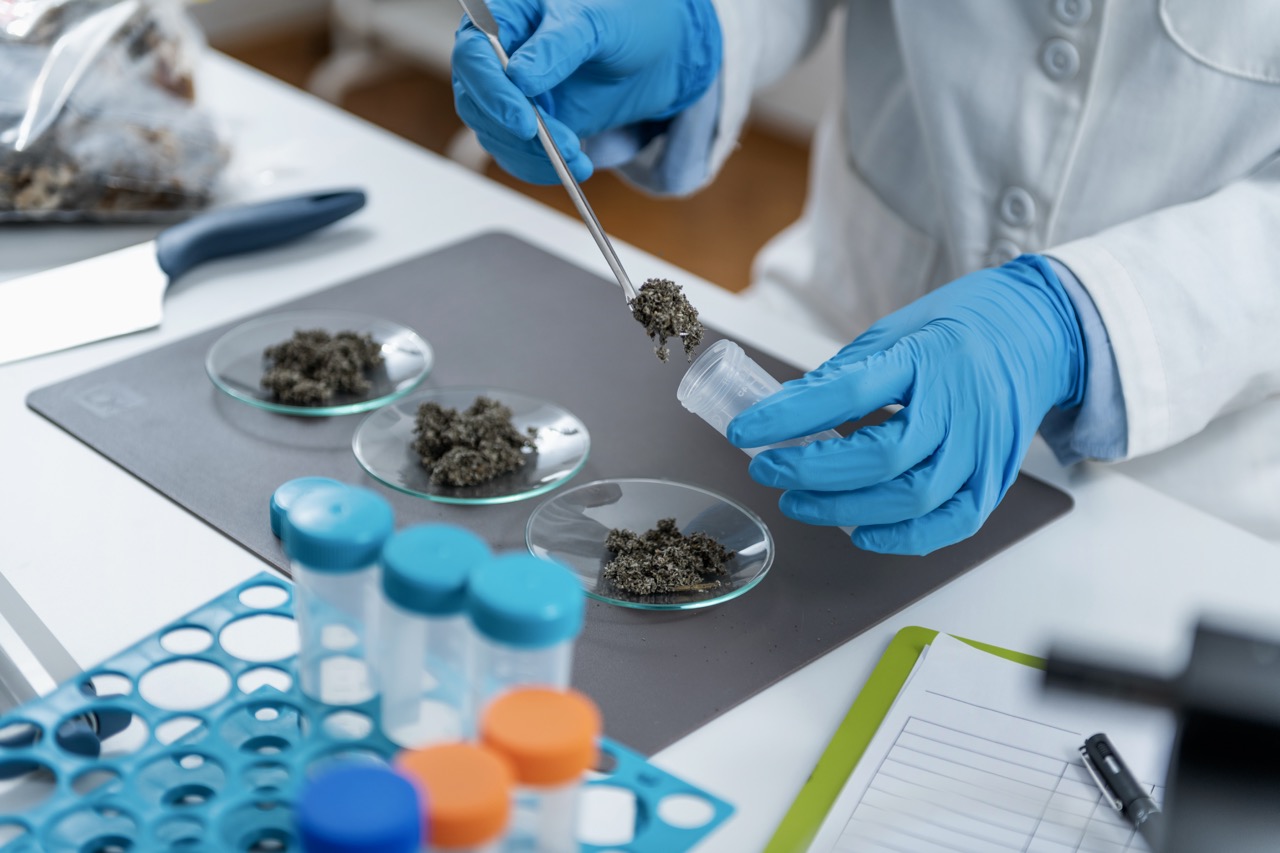
Chain of custody is the documented process used to track a sample from the moment it is collected until final results are reported.
In cannabis testing, this process helps establish:
• Who collected the sample
• When it was collected
• Where it came from
• How it was transported
• Who handled it
• When it arrived at the laboratory
• When testing was performed
Every transfer or handling step is documented to help maintain sample integrity and accountability.
Why Chain of Custody Matters
Chain of custody exists to help protect product integrity, consumer safety, regulatory compliance, laboratory accuracy, and operator accountability.
Without proper documentation and tracking procedures, questions can arise about sample tampering, mislabeling, contamination, improper handling, or incorrect batch association.
Strong chain-of-custody procedures help demonstrate that products were tested properly and that results can be traced back to the correct source material.
Chain of Custody and OMMA Compliance
Under Oklahoma regulations, cannabis businesses and laboratories are required to maintain accurate records associated with testing and inventory tracking.
OMMA compliance relies heavily on traceability, including Metrc tracking, batch identification, sample documentation, transfer records, and Certificates of Analysis.
If documentation is incomplete or inconsistent, operators may face delayed transfers, compliance investigations, failed audits, product holds, or additional scrutiny during inspections.
What Happens During the Chain of Custody Process?
The chain-of-custody process typically includes sample collection, secure transportation, laboratory intake, testing documentation, and final reporting.
Throughout the process, laboratories maintain detailed records to support defensible and traceable results.
Why Accurate Labeling Is Critical
One of the most common issues laboratories encounter involves labeling discrepancies.
Examples include incorrect batch IDs, missing product information, misidentified sample types, and mismatched Metrc entries.
Even small clerical mistakes can create significant compliance problems later.
Proper documentation helps prevent reporting delays, reduce administrative corrections, improve turnaround efficiency, and support audit readiness.
Chain of Custody Helps Protect Your License
Many operators think of chain of custody as simply laboratory paperwork.
But from a compliance standpoint, it’s much more important.
Documented sample tracking helps demonstrate accountability, transparency, and good faith compliance efforts.
If regulatory questions arise later, accurate records become extremely valuable.
Choosing a Laboratory That Prioritizes Traceability
A reliable cannabis testing laboratory should maintain standardized intake procedures, secure sample handling, detailed tracking systems, clear documentation practices, and consistent communication with clients.
At Greenleaf Labs, we believe transparency and traceability are essential parts of quality laboratory operations.
Accurate science starts with accurate sample handling.
Final Thoughts
Chain of custody may not be the most talked-about part of cannabis testing — but it is one of the most important.
Strong documentation and sample tracking procedures help protect patients, operators, laboratories, product integrity, and regulatory compliance.
As the cannabis industry continues to evolve, businesses that prioritize organization, transparency, and compliance will be better positioned for long-term success.
Because in cannabis compliance, every detail matters.