
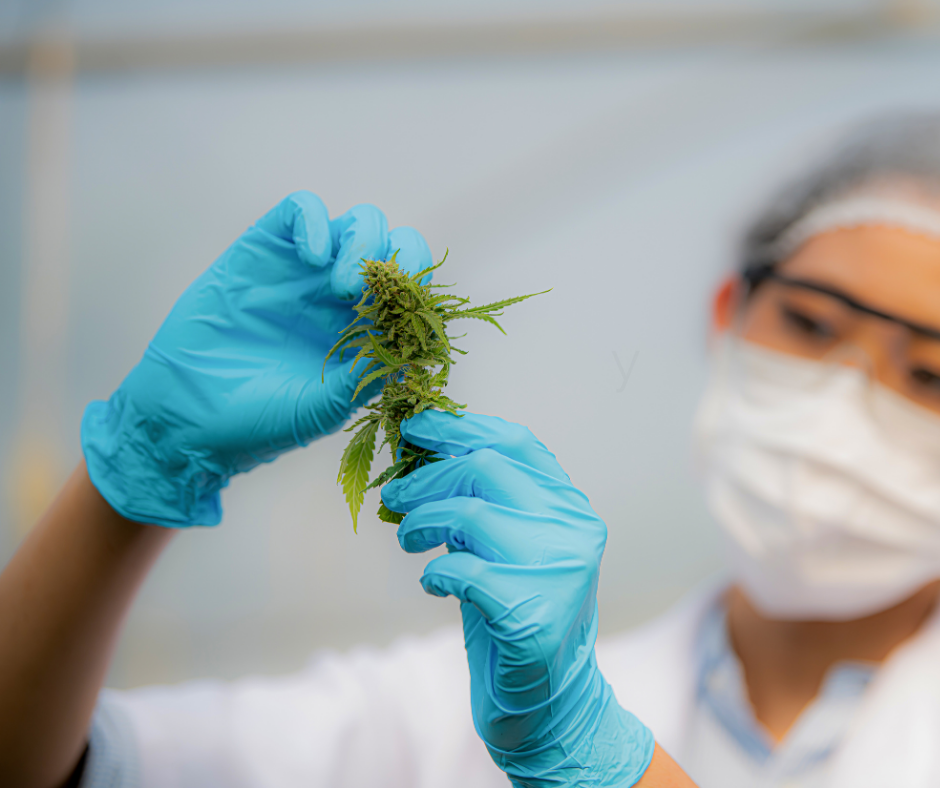
If you’ve been growing cannabis in Oklahoma for a while, you already know the reality: one failed compliance test can derail an entire harvest. Delays, retesting, remediation—it all adds up fast.
One of the most common questions we hear from cultivators across the state is:
“Should we be doing pre-harvest testing, or is it just an extra expense?”
From the lab side of the industry, the answer isn’t black and white—but in many cases, pre-harvest testing is absolutely worth considering.
What Is Pre-Harvest Testing?
Pre-harvest testing is voluntary cannabis testing performed before a crop is officially harvested and submitted for OMMA-required compliance testing.
Growers often use pre-harvest testing to:
- Review cannabinoid potency trends (THC, CBD, minor cannabinoids)
- Evaluate consistency across rooms or cultivars
- Identify potential red flags before final harvest
- Make more informed harvest-timing decisions
Pre-harvest testing does not replace OMMA compliance testing. Results are for internal decision-making only.
Why Some Oklahoma Growers Skip Pre-Harvest Testing
Cultivation margins are tight, and every added cost matters.
Common reasons growers skip pre-harvest testing include:
- “We’ve passed compliance testing before without it.”
- “We don’t want to slow down harvest.”
- “We’ll address problems if they come up.”
Sometimes that approach works. When it doesn’t, the consequences can be costly.
What Pre-Harvest Testing Can Reveal Early
From a lab perspective, most failed compliance tests don’t come out of nowhere.
Pre-harvest testing can help identify:
- Potency levels trending higher or lower than expected
- Inconsistencies between plants, rooms, or batches
- Early indicators that suggest elevated risk
- Crops that may benefit from adjusted harvest timing
Once a batch officially fails OMMA compliance testing, options become limited.
The True Cost of a Failed Compliance Test
Failing OMMA-required compliance testing can result in:
- Delays in product release
- Additional testing and remediation costs
- Lost processor or dispensary commitments
- Cash flow disruptions
- Operational stress
Often, the cost of one failed batch outweighs months of pre-harvest testing.
When Pre-Harvest Testing Makes the Most Sense
Pre-harvest testing is especially valuable for growers who:
- Operate multiple rooms or cultivars
- Are scaling production
- Have experienced past compliance failures
- Supply processors with strict specifications
- Want more predictable outcomes
It’s not about testing everything—it’s about testing intentionally.
A Business-Minded Approach to Testing
“Pre-harvest testing gives growers clarity before decisions become irreversible. The more insight you have going into harvest, the fewer surprises you face on the back end.”
OMMA Compliance: What Pre-Harvest Testing Is—and Isn’t
To remain OMMA compliant:
- Pre-harvest testing is optional
- Results cannot replace compliance testing
- Official samples must follow OMMA collection rules
- Pre-harvest data is for internal planning only
So, Is Pre-Harvest Testing Worth It?
If you value predictability, consistency, and fewer surprises, pre-harvest testing is often worth the investment.
It won’t guarantee a pass—but it gives you information before it’s too late to act.
In Oklahoma’s competitive cannabis market, that insight matters.